Imagine waking up every morning feeling like your body is made of lead. For millions of people globally—from the busy streets of New York to the quiet suburbs of Europe—”Pain” isn’t just a word; it’s a constant, uninvited guest. In 2026, chronic pain has become a silent pandemic, fueled by our sedentary lifestyles, digital fatigue, and a high-stress global economy.
When your back throbs or your joints ache, it doesn’t just hurt your body; it hurts your soul. It robs you of the ability to play with your children, excel at your job, or enjoy a simple walk. But as the search interest for “Pain” and “Swimming” surges by over 400% this month, the world is rediscovering a timeless, natural sanctuary: The Water. This is not just a guide; it’s a blueprint for anyone who has ever felt “stuck” in their own body.
In 2026, as we search for more “Human” ways to heal, a surprising trending solution has emerged—one that is as old as time but more effective than many modern pills: Swimming. This is the story of how gravity-free movement can break those chains and restore a life of wellness.
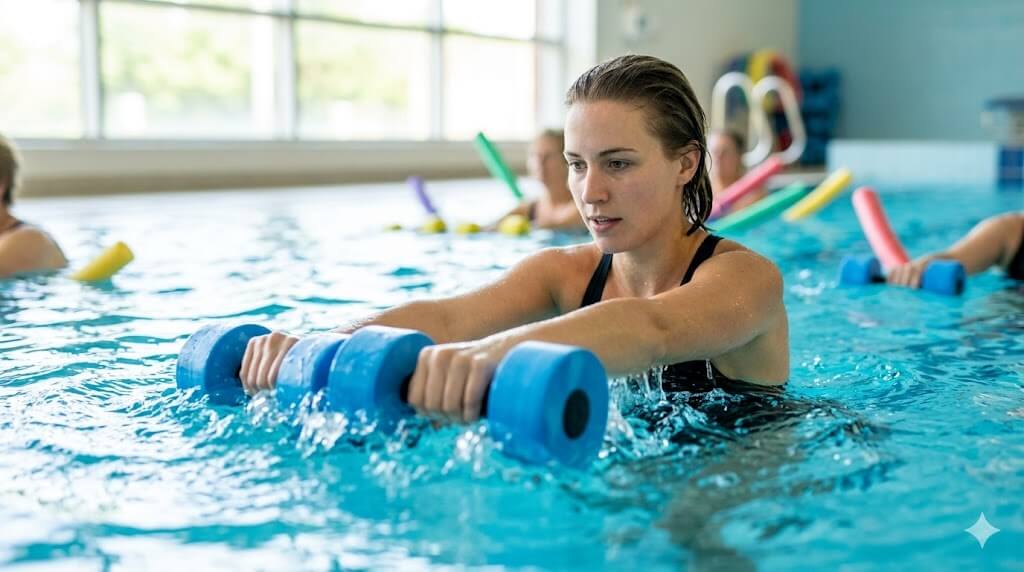
Build strength without impact.
The Biology of Pain in a Digital World
To understand why water is so powerful, we must first look at why traditional pain management often hits a dead end. Most people treat pain like a fire that needs to be put out with pills. However, chronic pain is often more like a “rusty hinge” that needs gentle, consistent movement to function again.Pain management has become a top global query because our modern lifestyle—sitting for hours and constant stress—has made our joints stiff and our muscles weak.
The Inflammation Cycle:Chronic pain is often rooted in systemic inflammation. When we sit at desks for 8 hours, our blood circulation slows down, toxins accumulate in our joints, and our nervous system stays in a state of “High Alert.” This constant cortisol flow makes us more sensitive to pain. Global health data from the World Health Organization shows that musculoskeletal conditions are the leading contributor to disability worldwide. Chronic pain often starts as minor inflammation that is ignored until it becomes a “300% surge” in our personal physical crisis.
The Mental Toll: Pain isn’t just in the joints; it’s in the mind. It leads to anxiety and a loss of hope. This is why a “Story-Based” approach to recovery is so important—it proves that healing is possible
The “Gravity” Problem;On land, every step we take puts pressure on our spine and knees. If you are already in pain, walking or running can feel like a punishment. This is where the magic of “Buoyancy” comes in.
Swimming—The Zero-Gravity Sanctuary
Swimming is trending globally in 2026 because it is the only exercise that offers “Weightless Healing.” When you submerge yourself in a pool, the water supports up to 90% of your body weight.
Hydrostatic Pressure: The pressure of the water acts like a full-body compression sleeve, reducing swelling and improving lymphatic drainage.
Active Recovery: Unlike land-based exercises, swimming allows you to strengthen your muscles without the “Impact” that causes further injury.
The Neural Reset: Water has a unique way of calming the Vagus nerve, switching your body from “Fight or Flight” to “Rest and Digest.”
The 2026 Swimming Protocol for Pain Relief
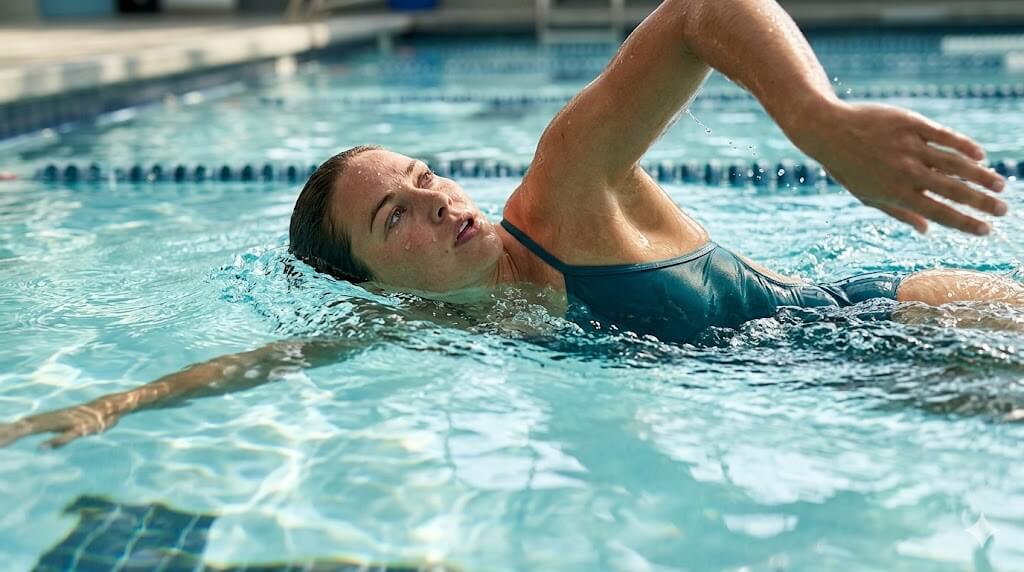
Focus your breath to reset your nervous system.
If you are ready to use swimming as a tool for your wellness, follow this deeply researched protocol:
Temperature Matters: For chronic pain, warm water (82-88°F) is ideal for relaxing muscles. Cold water is better for acute inflammation and recovery after intense heat.
Focus on the Core: Every stroke should start from your midsection. A strong core protects your lower back.
The “Vertical Walk”: If swimming laps is too hard, walk briskly across the shallow end. The resistance will strengthen your legs and hips without joint strain.
Breathe with Intention: Use the rhythmic nature of swimming to practice deep, diaphragmatic breathing. This lowers the “Pain Signal” in your brain.
Why Swimming is the Ultimate Global Therapy
There is a reason “Swimming” is trending with a +400% surge. It is one of the few activities that offers “Zero-Gravity” healing.
Hydrostatic Pressure: The water gently pushes against the body, reducing swelling and improving circulation without any hard impact on the bones.
Muscle Engagement without Strain: Swimming engages every muscle group, from your core to your fingertips, building strength that protects your spine.
The Sensory Escape: The sound and feel of water provide a “Digital Detox,” lowering cortisol levels instant
The Story of Transformation – A Journey from Bedrest to the Blue
(Story-Based Narrative) Meet David. A 45-year-old father who had spent three years struggling with debilitating back pain. He had tried everything—medication, physical therapy, even expensive injections. His “Wellness Score” was at an all-time low. He couldn’t even pick up his daughter without a sharp reminder of his limitations.
One day, on the advice of a local wellness expert, David decided to try something different. He didn’t start by swimming laps; he started by just standing in the water.
Month 1: The water took the weight off his spine. For 30 minutes a day, David felt weightless. The pain didn’t vanish, but it “quieted down.”
Month 3: David began gentle laps. His core became a “Safety Net” for his back. His mood shifted. He was no longer a “patient”; he was a “swimmer.”
Today: David is pain-free 90% of the time. He didn’t just find a hobby; he found his life again. This is the reality of functional wellness.
Jessica Miller’s Expert Corner – The “Fluid” Mindset
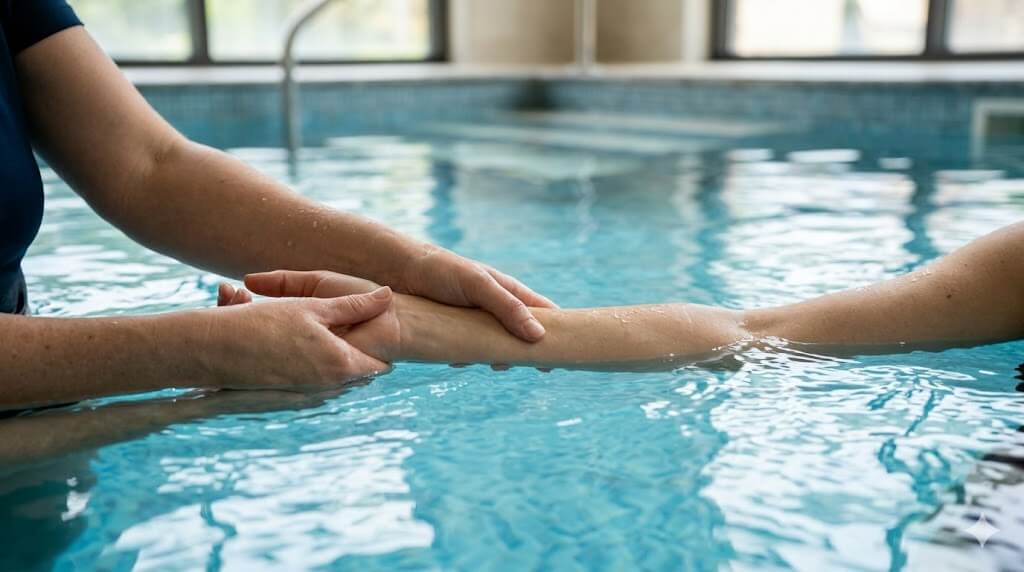
Connect with compassionate touch for healing.
“When I see keywords like ‘Pain’ and ‘Swimming’ trending together, it tells me that people are tired of quick fixes. My special advice for you today: Don’t wait for the pain to become unbearable before you find your ‘Water.’ Wellness is about prevention. Even if you aren’t an athlete, spending time in a pool once a week can act as an ‘Insurance Policy’ for your joints. The water doesn’t just wash away dirt; it washes away stress. Start slow, breathe deep, and let the water do the heavy lifting for you.
Q1: I can’t swim well. Can I still use water for pain relief?
A: Absolutely. “Water Aerobics” or even “Water Walking” is incredibly effective. The goal is the resistance and buoyancy of the water, not the speed of your stroke.
Q2: Is swimming better than walking for back pain?
A: For many, yes. Walking still involves gravity hitting your joints. Swimming removes that impact, making it safer for those in acute pain phases.
Q3: How often should I swim for visible results?
A: Consistency is key. Aim for 20-30 minutes, three times a week. You will feel the mental benefits immediately and the physical strength within a month.
Q4: What if I have a chlorine allergy?
A: Look for “Saltwater” or “Ozone” filtered pools. They are becoming much more common in 2026 as people move away from harsh chemicals.
Q5: Can swimming help with Arthritis pain?
A: Yes! It is often cited as the #1 recommended exercise for arthritis because it keeps joints moving without the grinding friction of land-based movement.
Q6: How do I track my progress without getting overwhelmed?
A: Don’t focus on meters or laps. Focus on how your body feels after the session. Do you feel lighter? Is your range of motion better? That is your true Wellness Score.
Conclusion: Dive Into Your New Life
Pain doesn’t have to be your identity. In 2026, we have all the technology in the world, but sometimes the most “Advanced” solution is the simplest one. Whether you are in a high-rise in London or a coastal town in Australia, the power of water is available to you.
Your journey toward a pain-free life starts with one small decision: Get in the water. Let the ripples wash away the tension, and let the buoyancy lift your spirits. Your “Wellness Diary” is waiting for its next, most vibrant chapter.
Disclaimer:The content on My Wellness Diaries is for informational and educational purposes only. Jessica Miller and the authors are not medical doctors. While swimming is a globally recognized therapy for pain, you should always consult with your healthcare provider before starting any new exercise regimen, especially if you suffer from chronic conditions or recent injuries. You are solely responsible for your health decisions.